Years connecting culinary students across Canada
We started in 2022 because geography shouldn't determine who gets access to professional cooking education. Online seminars mean students from small towns learn the same techniques as those in major cities.

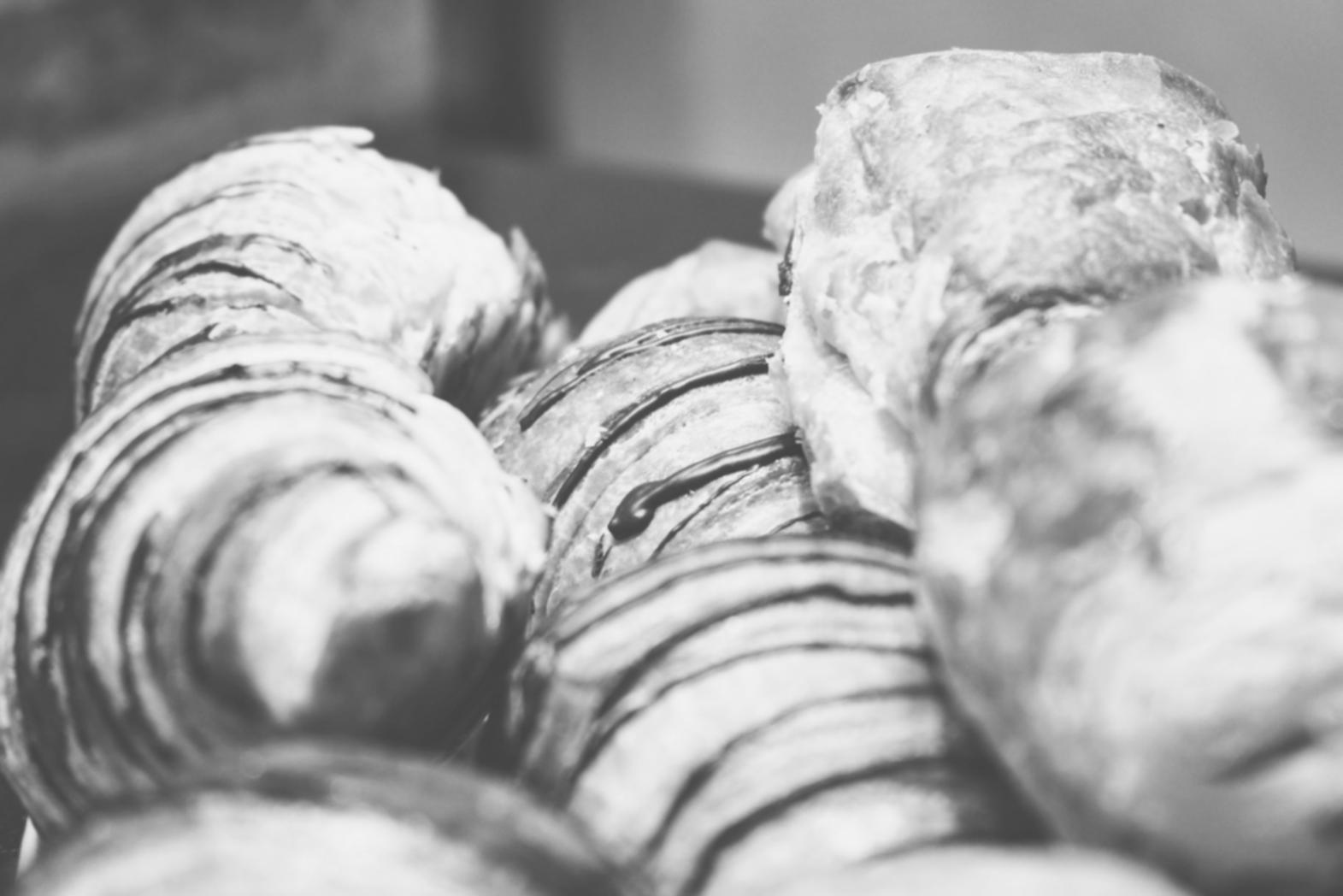
Teaching kitchens don't scale well to rural areas
The problem was obvious. Students in smaller communities either drove hours to attend classes or missed out entirely. Commercial kitchen space costs the same whether you have eight students or twenty. That math doesn't work for most schools.
We figured out that the actual technique demonstration—the part where you watch a chef break down knife skills or explain emulsification—translates fine to video if it's done right. Close-up angles matter. Audio quality matters. Being able to pause and rewatch a tricky step matters more than being in the same room.
The interactive discussion piece took longer to solve. We tried different seminar formats before landing on structured sessions where students work through problems together. Not just watching, actually thinking through why a sauce split or how to recover overcooked protein. That back-and-forth creates the learning, not just the demonstration.
Building the platform step by step
Each phase taught us something about what students actually need from online culinary education.
Launch phase
Started with twelve students testing basic knife technique seminars. Focused entirely on video quality and camera angles that showed hand position clearly.
Discussion integration
Added structured discussion modules after realizing passive watching wasn't enough. Students needed to explain concepts back and troubleshoot problems with peers.
Curriculum expansion
Expanded beyond basics into sauce work, protein cookery, and pastry fundamentals. Each topic required rethinking how to demonstrate texture and temperature cues on camera.
The people running these seminars
Both came from commercial kitchens and understand that teaching technique requires more than just doing it correctly yourself.
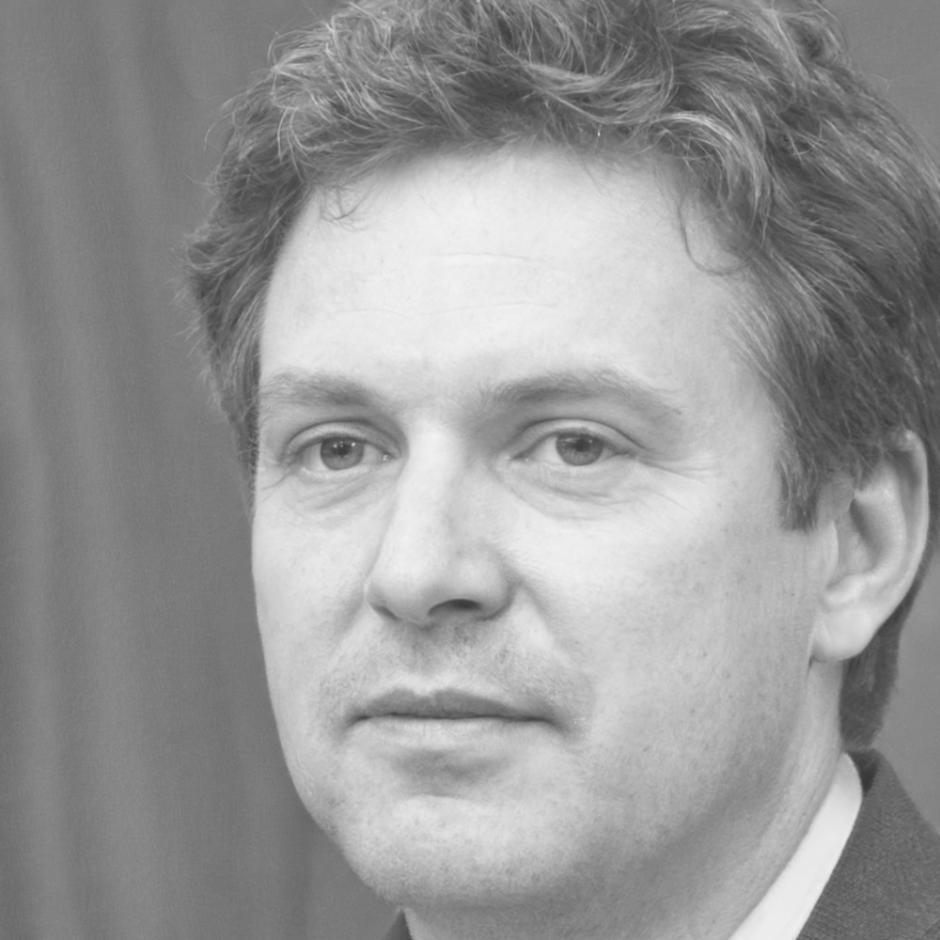
Henrik Dahlström
Former sous chef with twelve years in commercial kitchens, specializing in classical French technique and modern plating methods. Handles the advanced seminars on sauce construction and protein preparation.
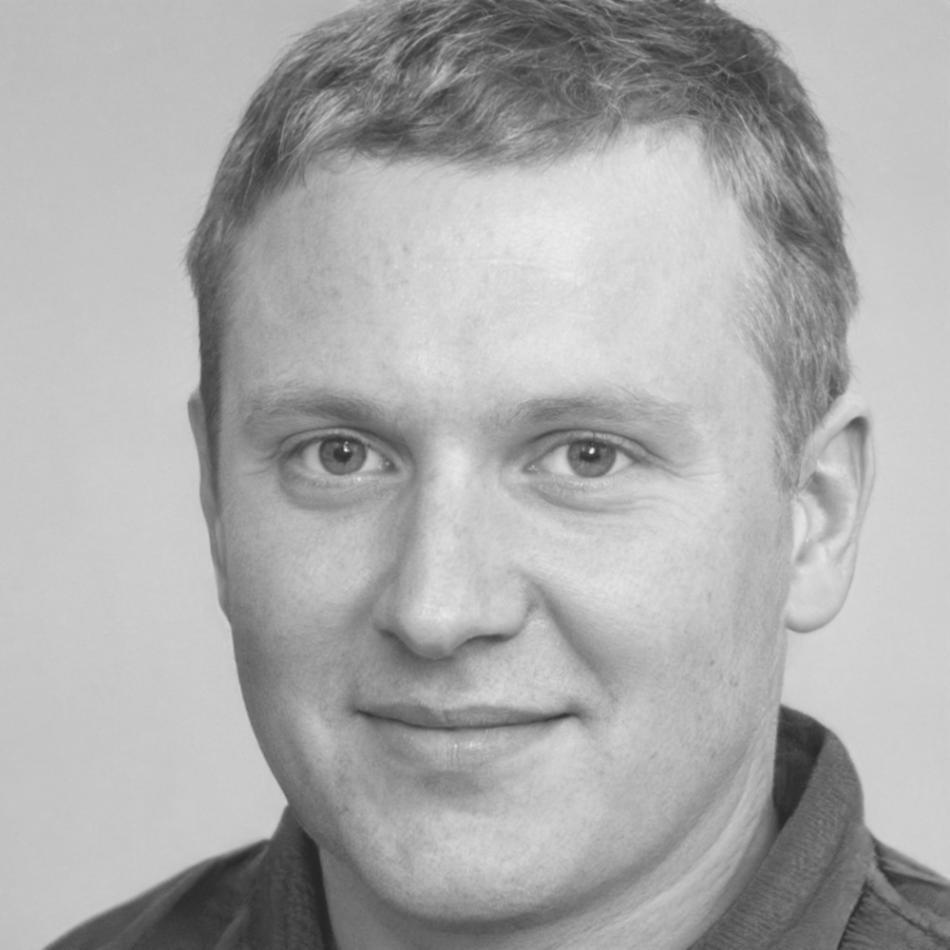
Olivier Beaumont
Manages curriculum development and student engagement across online learning modules with focus on practical skill application. Works directly with students during discussion sessions to ensure concepts translate to actual cooking.
Questions about how the seminars work?
If you're trying to figure out whether online format makes sense for learning cooking technique, just ask. We'll explain what translates well to video and what doesn't.