Professional Culinary Training
Our structured program takes you from fundamental knife skills to advanced plating techniques. Each module builds practical expertise through hands-on work with real ingredients and industry-standard equipment.
What you'll learn across eight weeks
The program covers core techniques that professional kitchens expect. You'll work through stations in sequence, mastering each skill before moving forward. Every session includes direct instruction followed by practice time with feedback.
Knife Skills and Fundamentals
12 hours totalStart with proper knife handling, cutting techniques, and kitchen safety protocols. Learn the classical cuts used in professional prep work.
- Julienne, brunoise, and chiffonade
- Knife maintenance and sharpening
- Station setup and workflow
- Safe handling procedures
Stock, Sauce, and Soup Construction
12 hours totalBuild foundational stocks and learn the mother sauces that form the basis of classical cuisine. Apply these skills to soup preparation.
- White, brown, and vegetable stocks
- Five mother sauces and derivatives
- Emulsification techniques
- Clear and cream-based soups
Protein Preparation Methods
12 hours totalMaster dry and moist heat cooking methods for meat, fish, and poultry. Learn to judge doneness and achieve consistent results.
- Searing, sautéing, and pan-roasting
- Braising and poaching techniques
- Fish butchery and cooking
- Temperature control and carryover
Vegetable Cookery and Plating
6 hours totalApply different cooking methods to vegetables while maintaining color, texture, and nutrients. Introduction to plate composition and presentation.
- Blanching, steaming, and roasting
- Glazing and gratinating
- Plate architecture basics
- Color and texture balance
Complete Dish Assembly
6 hours totalPut all techniques together by preparing multi-component dishes under time constraints. Practice timing coordination for simultaneous finish.
- Station mise en place
- Component timing and sequencing
- Final plating under pressure
- Quality assessment criteria
How the program builds your skills
We structure learning to match how professional kitchens actually operate. You start with individual techniques, then combine them into increasingly complex preparations. The final weeks focus on executing complete dishes within restaurant timing requirements.
Building muscle memory and precision
The first two weeks establish the physical skills that everything else depends on. Repetition with feedback helps you develop speed and consistency with your knife work. Most students see noticeable improvement in their cuts by the end of week two.
Understanding flavor development and heat control
Weeks three through six cover the cooking methods that form the backbone of professional cuisine. You'll learn to recognize the visual and auditory cues that indicate proper temperature and doneness. This phase includes the most intensive practice time.
Coordinating multiple elements simultaneously
The final weeks test your ability to manage several cooking processes at once. You'll plan backward from service time, coordinate hot and cold components, and maintain plate temperature. This simulates the pressure of an actual service environment.
Learn from working professionals
Our instructors currently work in professional kitchens. They bring current techniques and real-world expectations to every session.
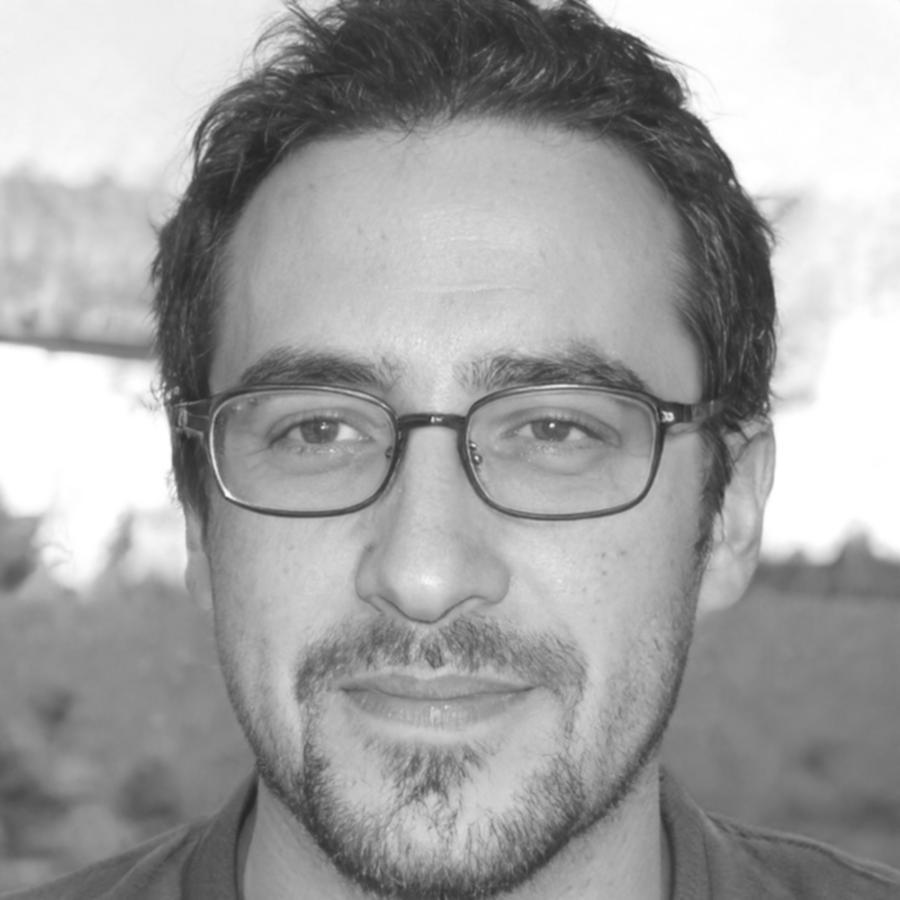
Dmitri Sokolov
Lead InstructorTrained in classical French technique at Le Cordon Bleu, then spent twelve years in Montreal restaurant kitchens. Now splits time between teaching and consulting for new restaurant openings.
- Sauce work and emulsification
- Classical French methods
- Kitchen workflow optimization
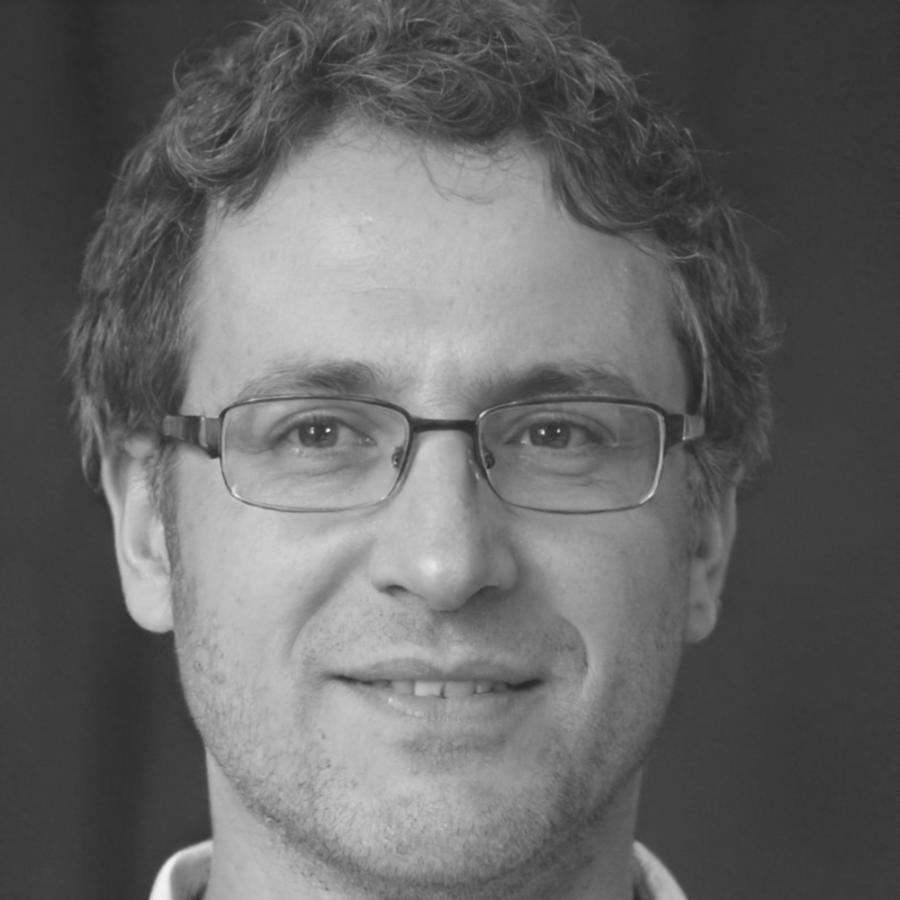
Henrik Lindqvist
Protein SpecialistWorked garde manger through sous chef at Scandinavian restaurants in Toronto. Focuses on northern European techniques and preservation methods alongside conventional protein cookery.
- Meat and fish butchery
- Nordic cooking techniques
- Curing and preservation
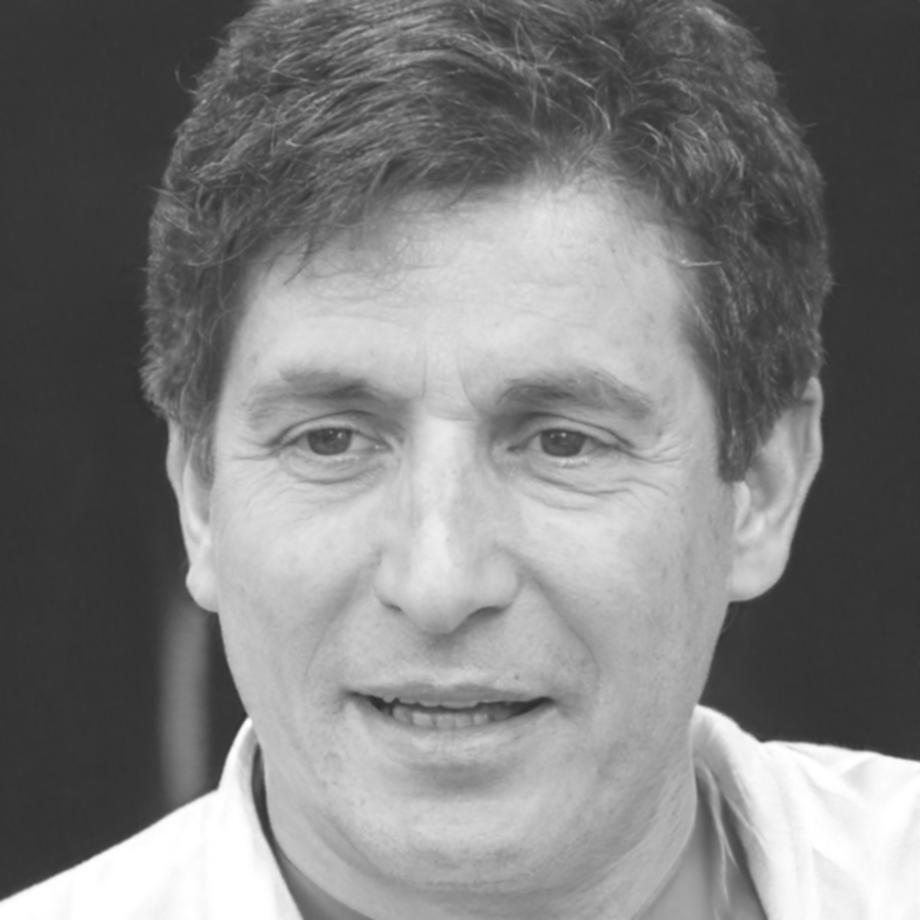
Pavel Novak
Plating and PresentationBackground in fine dining across Central Europe before relocating to Canada. Currently works as executive chef while teaching advanced plating and modern presentation techniques.
- Contemporary plating design
- Texture and color theory
- Modern European cuisine